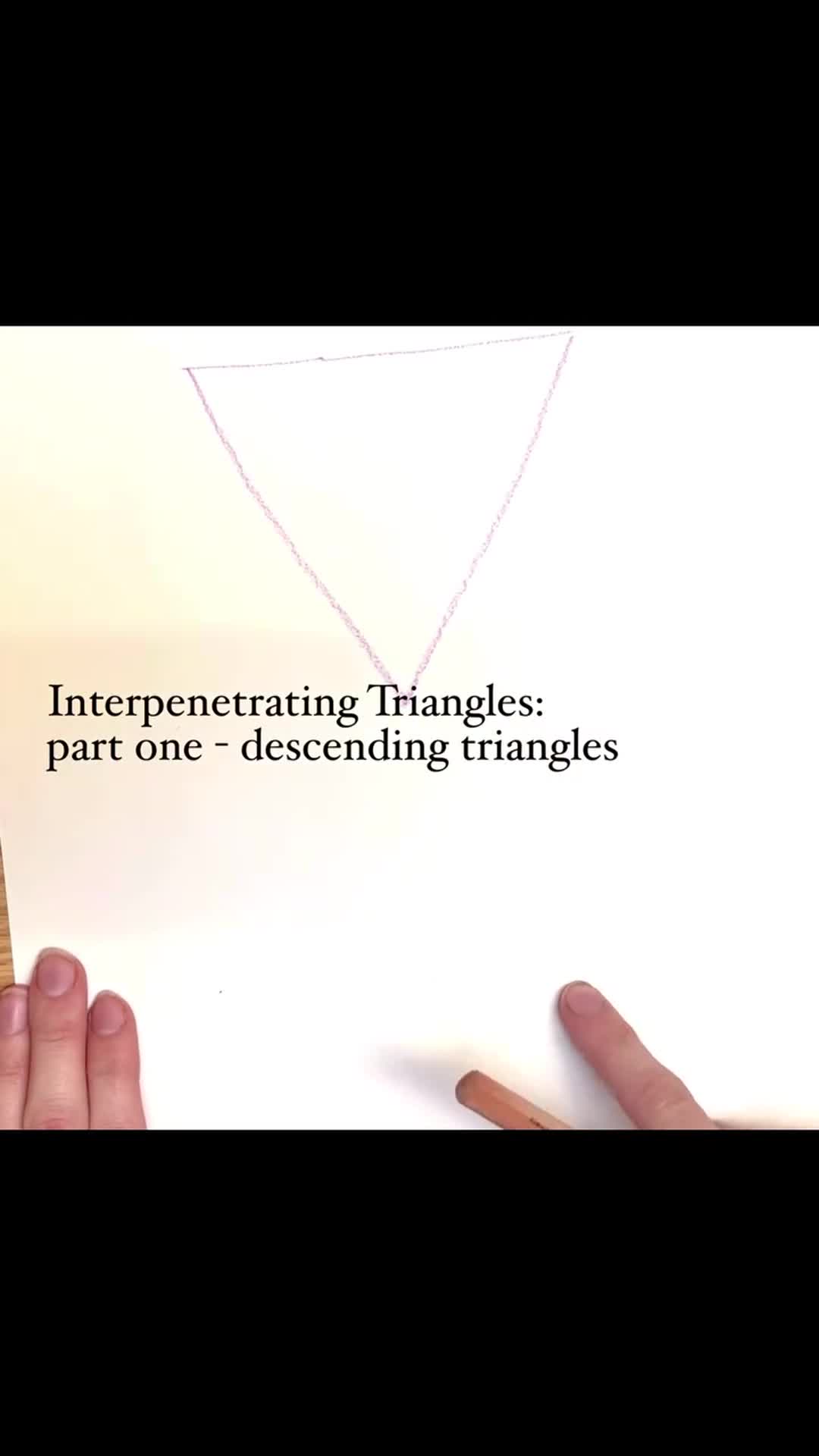
This exercise is intended for children 11 and older. It is done on large drawing paper and done freehand. In the first lesson, students draw the descending triangles until a 6 pointed star appears.
With shading strokes, a child can color the whole surface of the base triangle in one color and the points of the final moving triangle in another.
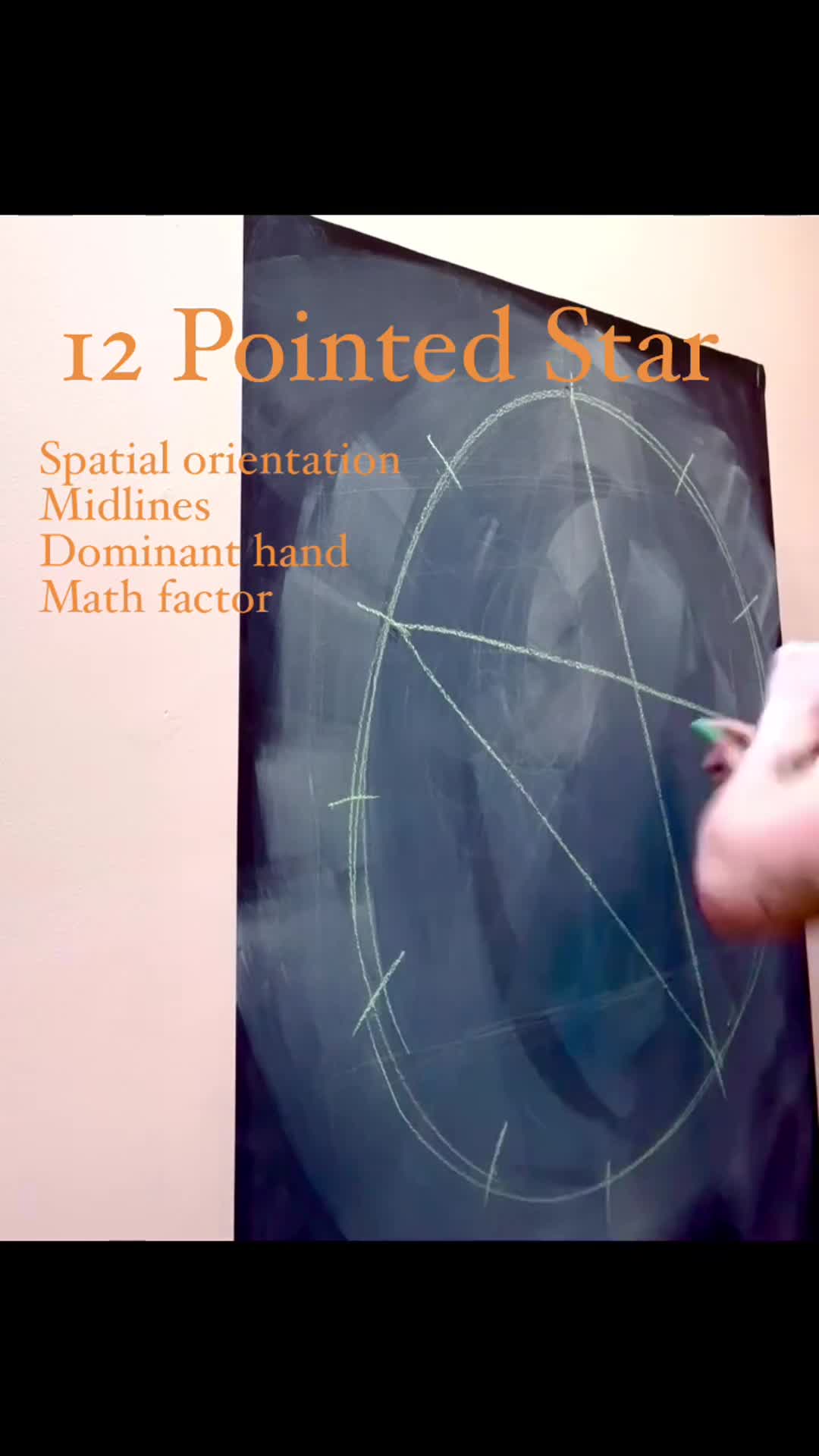
See “5 pointed star” for more information or visit The Extra Lesson book pages 150-153.
Strengthen and stabilize your core with this dynamic flow that blends mindful movement and breath. Ideal for building inner strength, balance, and body awareness without high intensity.
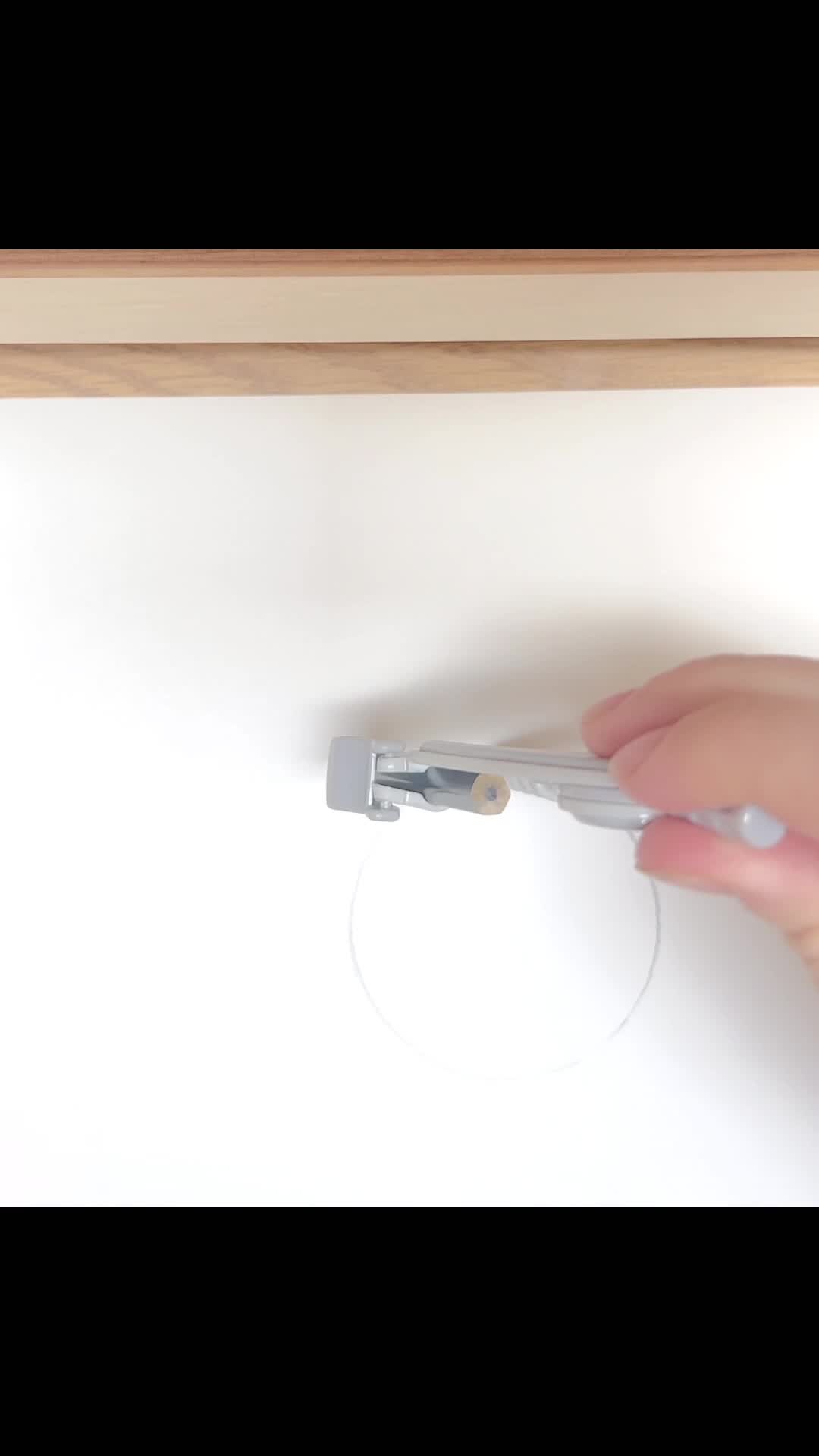
Intended for children 12 and older, this drawing is best done on drawing paper 11×17.
There are different challenges that can be brought each time; however, I suggest having children create a new set of circles each time.
The first challenge recommended in The Extra Lesson book is shown here: “among the six inner circles, find pairs of circles which are tangent to each other (ones which do not interlace), then color the petals in each of these circles the same color” (156).
Here I used the primary colors, and it beautifully showcases secondary colors in the overlapping petals.

This comes from the Take Time book by Mary Nash-Wortham and Jean Hunt. According to the authors, “these exercises stimulate awareness of space around the body and encourage understanding of orientation in space… Once an exercise has been mastered to some degree, the difficulty of maintaining a steady rhythm may remain. The teacher could use a tambourine, triangle, or drum, with or without a poem. In the case of younger children, under 6 years, a very familiar nursery rhyme should be said in unison with the teacher.”
For older children, you can add counting, times tables, and/or spelling words with these movements too.
“All exercises unless specified to the contrary with children standing upright, feet together, arms at side.”
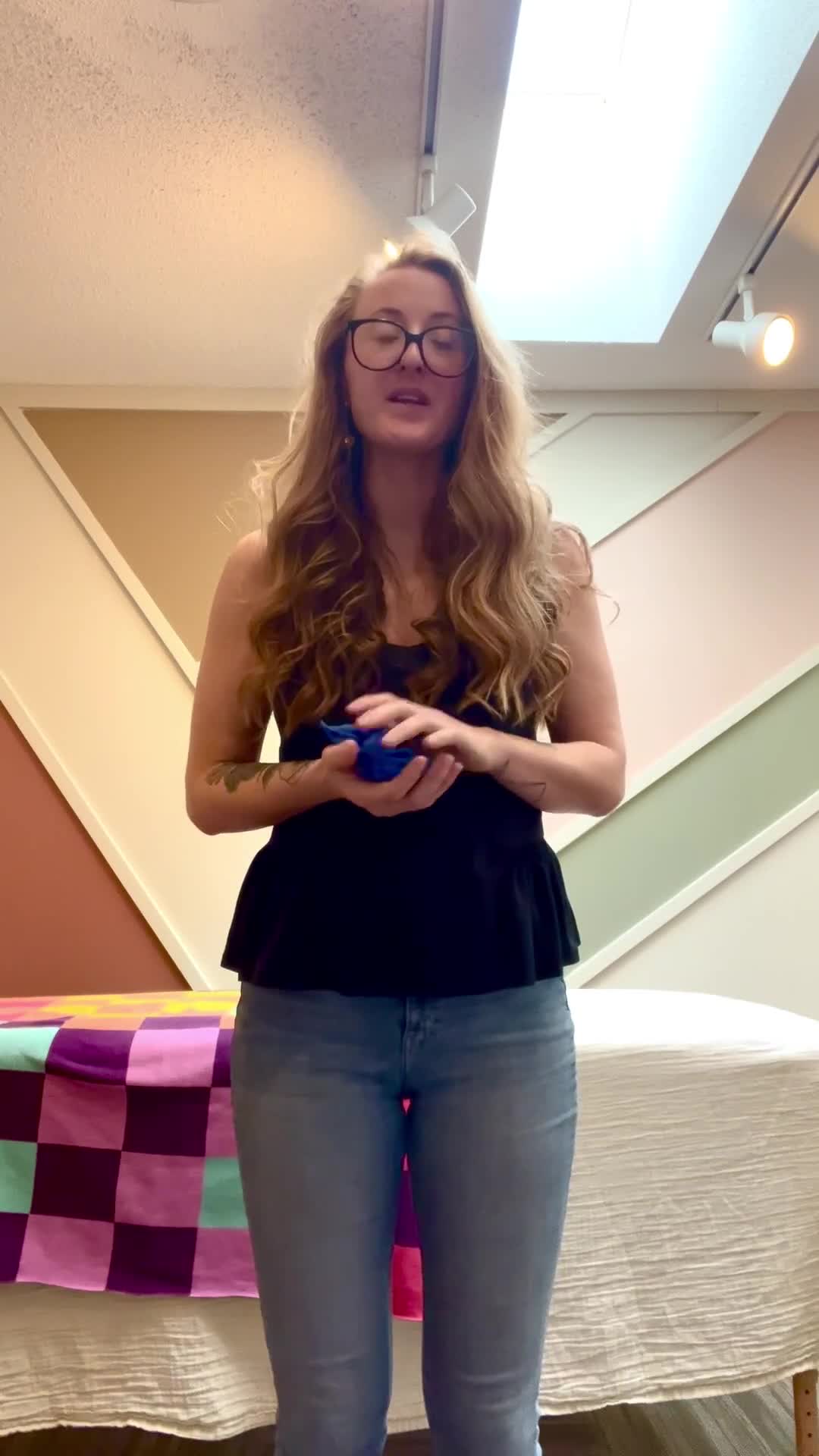
This comes from the Take Time book by Mary Nash-Wortham and Jean Hunt. According to the authors, “these exercises stimulate awareness of space around the body and encourage understanding of orientation in space… Once an exercise has been mastered to some degree, the difficulty of maintaining a steady rhythm may remain. The teacher could use a tambourine, triangle, or drum, with or without a poem. In the case of younger children, under 6 years, a very familiar nursery rhyme should be said in unison with the teacher.”
For older children, you can add counting, times tables, and/or spelling words with these movements too.
“All exercises unless specified to the contrary with children standing upright, feet together, arms at side.”
As with everything Waldorf, every detail matters. Good posture, direction, order, hands (almost always palm up).. all of those pieces matter.